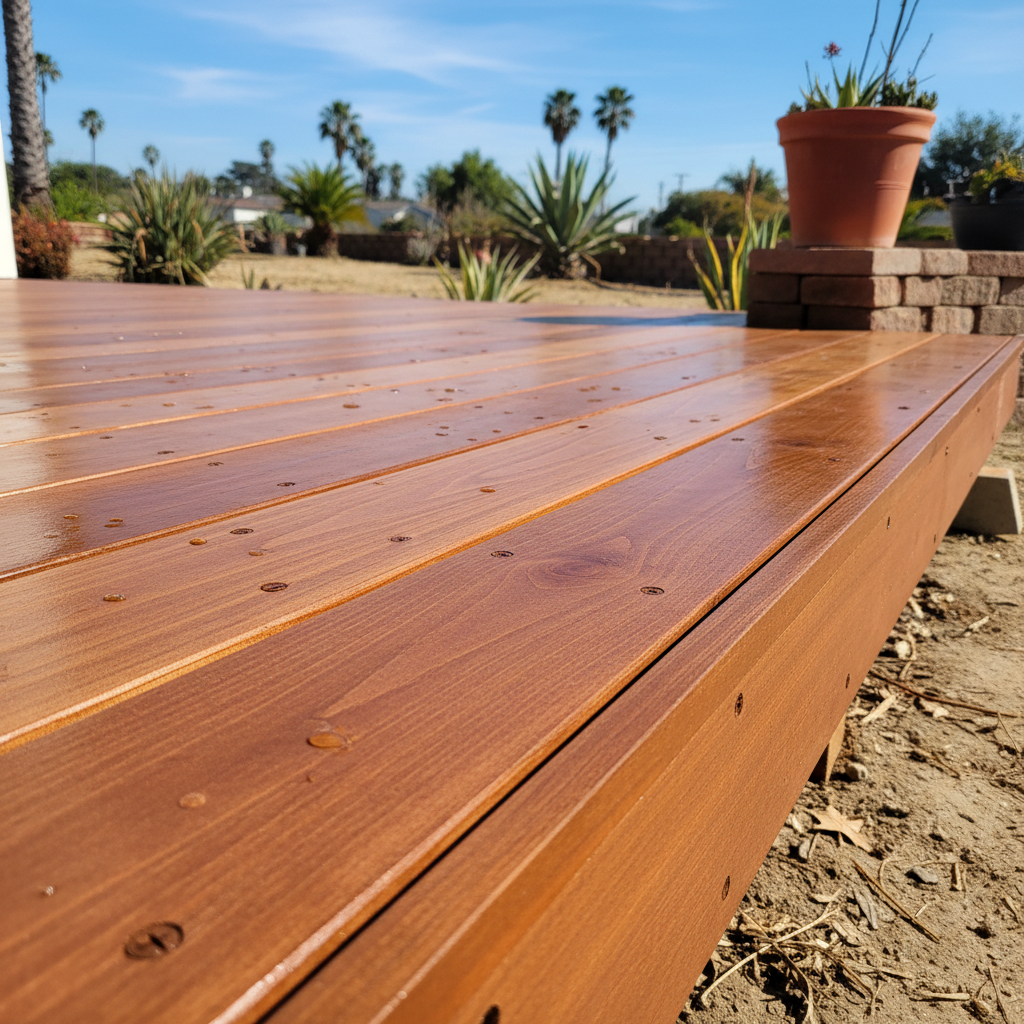
Alright, let's talk about deck painting and staining. It's one of those things that seems simple on the surface, but I get a lot of questions about it from folks right here in Inglewood. Everyone wants their deck to look good and last, especially with our sunny SoCal weather. So, I figured I'd tackle some of the most common questions I hear. This isn't marketing fluff; it's just what I've learned working on decks around here for years.
Should I paint or stain my deck? What's the real difference?
This is probably the number one question people ask. Honestly, it boils down to two things: what you want your deck to look like, and how much maintenance you're willing to do. Painting gives you a solid, opaque color. Think of it like painting the walls inside your house – it completely covers the wood grain. Staining, on the other hand, is more about showing off the wood's natural beauty.
You've got a few options with stains. Transparent ones let all the grain show through. Semi-transparent stains add a tint but still let some grain peek out. Then there are solid stains, which are almost like a thin paint, but they still let a little texture come through. Paint generally offers a bit more protection from UV rays and moisture because it forms a thicker film. The downside? It can chip and peel, especially on a walking surface. Stains penetrate the wood more, so they tend to wear down instead of peeling, which can make reapplication a bit easier.
How often do I need to re-stain or repaint my deck in Inglewood?
There's no single magic number here, but I can give you a good idea for our area. For painted decks, you're probably looking at every 3-5 years. Maybe sooner if it's a high-traffic area or gets direct sun all day. Stains vary a lot more. Transparent and semi-transparent stains might need reapplication every 1-3 years; they just don't have as much pigment or UV protection. Solid stains can go 3-5 years, pretty similar to paint.
The big factor here in Inglewood is our intense sun. Even though we don't get harsh winters, that constant UV exposure really breaks down finishes. Decks facing south or west will fade and wear faster than those in more shaded spots, wouldn't you agree?
What's the best type of product to use for my deck? Oil-based or water-based?
Both have their pros and cons, of course. Water-based products (often called acrylics) have come a long way. They're easier to clean up, dry faster, and typically have lower VOCs (volatile organic compounds), which is better for the environment and your nose. They also tend to hold their color better over time and resist mildew. Oil-based products penetrate deeper into the wood, offering excellent protection, especially against moisture. They tend to have a richer, more natural look, but they take longer to dry, clean-up is a pain (mineral spirits!), and they can sometimes get a bit sticky in humid conditions. For most homeowners, I lean towards good quality water-based stains and paints these days. They're just more user-friendly and durable enough for our climate.
Do I really need to clean and prep my deck before painting or staining? Can't I just slap it on?
Absolutely, 100%, yes, you need to prep. This isn't a step you can skip. If you just slap new paint or stain over dirt, mildew, old peeling finish, or grime, it's not going to stick. It'll peel, flake, and look terrible in no time. Think of it like this: the new finish needs a clean, sound surface to bond to. You'll want to clean the deck thoroughly with a good deck cleaner, maybe even a pressure washer (but be careful not to damage the wood!). Then, if there's old peeling paint or stain, you'll need to strip or sand it off. For new wood, a light sanding after cleaning is often a good idea to open up the grain.
This prep work is probably 70% of the job, and it's what makes the finish last. Don't cut corners here.
My deck has some mildew/algae. Can I just paint over it?
No, definitely not. Painting or staining over mildew or algae is like putting a band-aid on a broken bone. It'll just grow right through the new finish, and you'll have a bigger problem on your hands. You need to kill that stuff first. Use a good quality deck cleaner that contains a mildewcide, or a bleach-and-water solution (be careful with plants!). Scrub it, let it sit, then rinse thoroughly. Make sure the deck is completely dry before you even think about applying any finish. If you've got a deck that's often damp, maybe from sprinklers hitting it or poor drainage, you might want to look into a finish with built-in mildew resistance.
What about clear sealers? Are they worth it for my Inglewood deck?
Clear sealers are tricky, I've got to say. Many homeowners like the idea of keeping the natural look of their wood without any color. The problem is, clear sealers offer very little UV protection. Our Inglewood sun will just blast right through them, and your wood will gray out and degrade pretty quickly. You'll find yourself reapplying them constantly, sometimes every six months to a year, just to keep them somewhat effective. If you truly want to protect your wood and maintain its look, even a transparent stain with some UV inhibitors is a much better choice than a completely clear sealer. They just don't hold up well enough in our climate to be a long-term solution for deck surfaces.
Should I hire a pro or DIY my deck painting/staining?
This depends on your skill level, how much time you have, and the condition of your deck. If your deck is relatively new, clean, and just needs a fresh coat of stain, and you've got a weekend to dedicate, it's a totally doable DIY project. However, if your deck is old, has peeling paint, mildew, or needs significant repairs, that's when you might want to call in a pro. The prep work alone can be a huge job.
We've got a lot of older homes in areas like Morningside Park with decks that haven't seen proper care in years. Stripping, sanding, and getting those surfaces ready for a new finish is hard, messy work. A professional like us at Inglewood Deck Creations has the right tools, experience, and knowledge to get it done efficiently and correctly, ensuring a long-lasting finish. It's an investment, but it saves you headaches and often ends up looking a lot better in the long run.